
False “Made in USA” Claims Put Williams-Sonoma in the Hot Seat
April 27, 2020
Authored and Edited by Brooke M Wilner; Margaret A. Esquenet
The FTC has recently emphasized its commitment to enforcing its policy statement on “Made in USA” claims. A recent million-dollar settlement with houseware and furniture giant Williams-Sonoma, approved by the FTC unanimously, illustrates that commitment. As part of the settlement, Williams-Sonoma has agreed to stop making false, misleading, or unsubstantiated claims that its products are made in the United States.
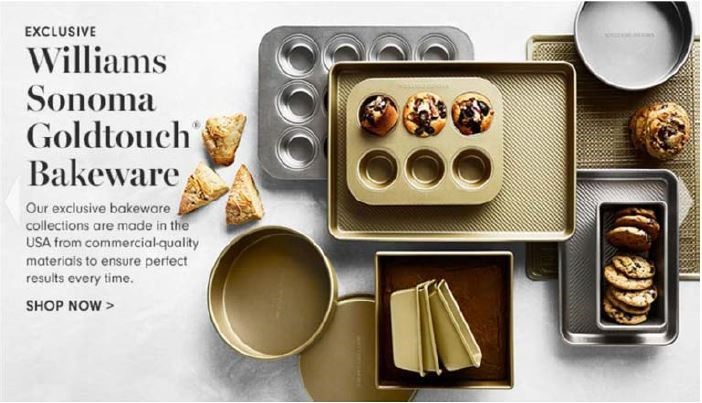
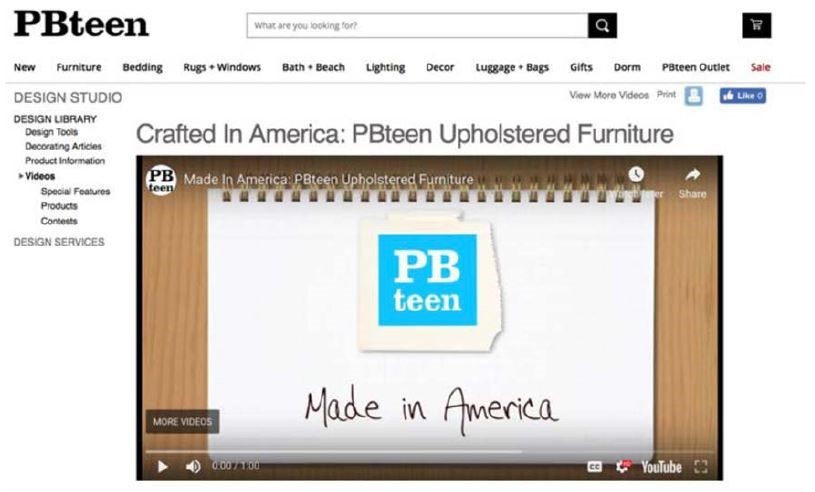
According to the FTC’s complaint, Williams-Sonoma deceptively claimed in various promotional materials that many of its products were all or virtually all made in the United States. For example, Pottery Barn Teen organic mattress pads were described in advertisements to be “crafted in America from local and imported materials”—but were in fact made in China. The company’s Goldtouch Bakeware, Rejuvenation upholstered furniture, and Pottery Barn Teen and Kids upholstered furniture were all described on the Williams-Sonoma website as “made in the USA” or “Crafted in America”—despite being wholly imported or containing significant imported components.
The terms of the proposed consent order, agreed to by both Williams-Sonoma and the FTC, prohibit Williams-Sonoma from making unqualified “Made in USA” or USA-origin claims for any product. Any qualified claims must clearly and conspicuously include a disclosure about the extent to which the product was produced or processed in a foreign country. The order further prohibits the company, its officers, and its representatives from making any untrue, misleading, or unsubstantiated country-of-origin claims about any product. Finally, as part of the proposed settlement, Williams-Sonoma must pay the FTC $1 million.
The case is In re Williams-Sonoma, Inc., FTC No. 202-3025 (2020)
The FTC’s Enforcement Policy Statement on U.S. Origin Claims can be found here, and provides guidance on how to avoid deceptive “Made in USA” claims.
Related Practices
Related Offices
Copyright © 2020 Finnegan, Henderson, Farabow, Garrett & Dunner, LLP.
DISCLAIMER: Although we wish to hear from you, information exchanged in this blog cannot and does not create an attorney-client relationship. Please do not post any information that you consider to be personal or confidential. If you wish for Finnegan, Henderson, Farabow, Garrett & Dunner, LLP to consider representing you, in order to establish an attorney-client relationship you must first enter a written representation agreement with Finnegan. Contact us for additional information. One of our lawyers will be happy to discuss the possibility of representation with you. Additional disclaimer information.