
Comparison of Timelines with Europe
October 03, 2014
Authored and Edited by Leythem A. Wall; Anthony C. Tridico, Ph.D.
While we have previously compared and contrasted European Patent Office (EPO) oppositions with the new US post grant challenges (http://www.aiablog.com/global-harmonization/ipr-and-pgr-they-are-not-american-oppositions/), what has not been looked at as closely is the respective timings of different stages in the proceedings. The Post Grant Review (PGR) strikes the most similarities with the EPO opposition timeline as these have to be filed within 9 months of the patent granting. The Inter Party Review (IPR) and PGR take up to 18 months for the final written decision to be issued. While traditionally the EPO has 18 to 30 month turnaround time, more and more we are seeing cases resolved with the oral decision being issued within a 15 to 24 month timeline, hence not too dissimilar to the US procedures.
As can be seen from the Figures below there are numerous stages for submissions from both the challenger and the patent proprietor. By shifting these timelines accordingly, it is possible to see where submissions in one jurisdiction can precede the other and hence help both proprietor and challenger identify where they can avoid a duplication of efforts or also trigger a reaction in the other jurisdiction.
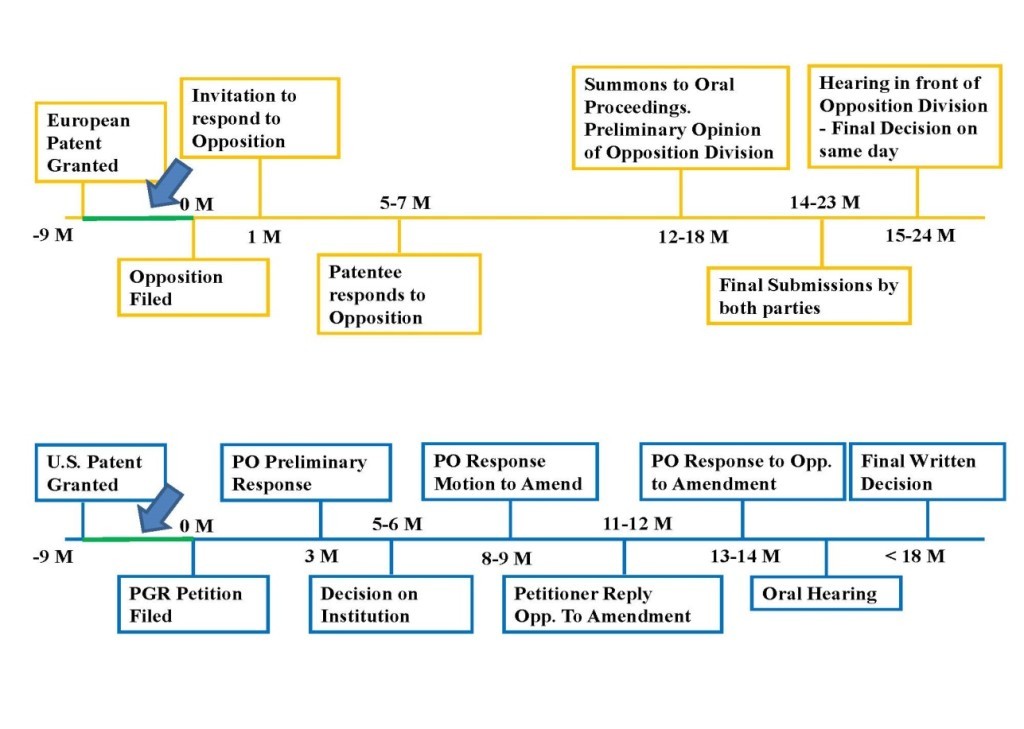
Figure 1 - European Opposition timeline (top) and PGR timeline (bottom)
What perhaps is also interesting is the remarkable similarity of the US timeline with that of proceedings for the proposed EU Unified Patent Court (UPC), predicted to come into action at the earliest in late 2015. Compared to EPO oppositions there will be more certainties to timings for all the different stages in proceedings. It should be noted that the UPC is not part of a patent office and hence is a forum for litigation. Accordingly, such proceedings can also include counterclaims of infringement from the patent proprietor.
However, as shown in the Figure below there are a number of timings and stages in common between the USPTO and UPC procedures. For example the patent proprietor has three months to respond to the petitioner. There are also clear opportunities for the petitioner to respond to counterclaims or amendments from the patent proprietor and for replying to the subsequent defence by the patent proprietor. If anything the proceedings at the UPC have tighter deadlines and look to reach conclusion more quickly. What does appear to be very different is the decision on institution which appears early on in the US timeline, whereas the analogous substantiation or interim stage to decide on whether or not to proceed appears after all submissions and replies have been received.
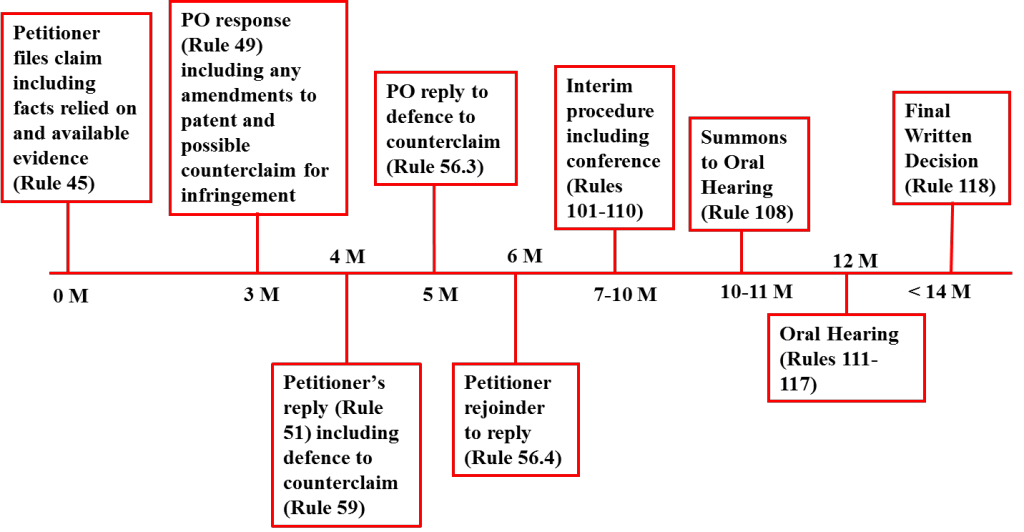
Figure 2 - Unified Patent Court Revocation Action Timeline (UPC Rules of Procedure 16th Draft)
Looking at the timelines, we can expect EPO oppositions to take a bit longer and UPC actions to probably be quicker. Also the USPTO carry out a substantive review at an earlier stage of proceedings than in Europe to decide whether or not to continue which overall probably saves time and what may turn out to be unnecessary effort and expense. What is also clear though is that there are clear timings of stages in all of these procedures and it is by considering these that validity challenges in Europe and US will be best coordinated.
Tags
European Patent Office (EPO), opposition, Unified Patent Court (UPC), United States Patent and Trademark Office (USPTO)
Contacts

Copyright © 2014 Finnegan, Henderson, Farabow, Garrett & Dunner, LLP.
DISCLAIMER: Although we wish to hear from you, information exchanged in this blog cannot and does not create an attorney-client relationship. Please do not post any information that you consider to be personal or confidential. If you wish for Finnegan, Henderson, Farabow, Garrett & Dunner, LLP to consider representing you, in order to establish an attorney-client relationship you must first enter a written representation agreement with Finnegan. Contact us for additional information. Additional disclaimer information.