
Beijing High Court Struck Down a Bad Faith Filer’s Laches and Acquiescence Defenses to Protect a Famous Mark
October 26, 2021
One of the defenses available to defendants in a trademark infringement action is laches. If proven, laches can bar some or all the relief requested by the plaintiff. Like the U.S. practice, to establish laches in China, a defendant must prove that the plaintiff unreasonably delayed in enforcing its rights for more than five years, and the delay caused prejudice to the defendant. A recent decision by the Beijing High Court provides new guidance on what constitutes “prejudice” in that the defendant must prove that its use of the infringing mark has generated actual brand goodwill.
In Anta (China) Co., Limited v. State Intellectual Property Bureau, the Beijing High Court dismissed the bad faith filer defendant’s laches defense, finding that the plaintiff could not have prejudiced the defendant because the defendant’s use of the plaintiff’s famous mark did not generate any actual goodwill.
Anta is a Chinese sporting goods corporation and the world's third-largest sportswear company by revenue in 2019. Anta sold apparel, footwear,and sporting equipment since 1994, but not eyewear:


Just like many Western brand owners, Anta made a mistake of not registering its Chinese character mark early to cover eyewear as accessories to its apparel products.
In 2011, a Chinese individual raced to the China Trademark Office and registered a composite mark containing the ANTA Chinese mark for eyewear:
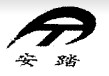
(the “Infringing Mark”)
v.
安踏 the “ANTA Chinese Mark” as displayed below:

Anta did not object to the defendant’s registration or use of the Infringing Mark until six years later, or 2017. The China Trademark Office dismissed Anta’s petition for cancellation, based on the defendant’s laches defense that Anta delayed in enforcing its rights for more than 5 years and that delay prejudiced the defendant. Beijing IP Court affirmed the dismissal and Anta appealed to the Beijing High Court.
On appeal, Anta pointed to its voluminous evidentiary documents showing that both of its English and Chinese marks had become famous before the filing date of the Infringing Mark in 2000. Anta also showed that the individual registrant of the Infringing Mark had bad faith in adopting the Infringing Marks for registering multiple, identical ANTA English and Chinese marks (such as  ) and had licensed them to others for use in the marketplace on eyeglasses.
Given the fame of Anta’s marks, Beijing High Court held that the defendant’s registration and use of identical, inherently distinctive ANTA marks in connection with accessories clearly showed that the defendant acted in bad faith. Consequently, the court reversed the previous decisions, dismissed the laches defense, and ruled that the defendant’s use of the Infringing Mark in bad faith could not have generated any brand goodwill. Thus, the defendant failed to show prejudice and the bad faith registration will now be cancelled.
In the past, Chinese courts did not distinguish between a bad faith filer’s use of an infirming mark and a brand owner’s use of a mark, presuming that use and investment in a trademark always generated some degree of business goodwill or brand recognition by the public. This presumption frustrated brand owners in enforcement actions, where brand owners’ delay in enforcing its rights overseas in China forfeited their opportunity to remove any bad faith filing Armed with this decision, however, brand owners may eviscerate a bad faith filer’s laches defense and protect its famous marks much better in China.
This case is Anta (China) Co., Limited v. State Intellectual Property Bureau, (2020) Jingxingzhong 3895 (Beijing High Court 2021).
Related Practices
Related Industries
Related Offices
Related Professionals


- Yinfei Wu
- Partner
- Washington, DC
- +1 202 408 4428
Copyright © Finnegan, Henderson, Farabow, Garrett & Dunner, LLP. This article is for informational purposes, is not intended to constitute legal advice, and may be considered advertising under applicable state laws. This article is only the opinion of the authors and is not attributable to Finnegan, Henderson, Farabow, Garrett & Dunner, LLP, or the firm’s clients.