Ex Parte Reexamination (EPR)
Ex Parte Reexamination (EPR)

About
Finnegan’s extensive reexamination experience offers tactical advantages
Finnegan has decades of experience with ex parte reexamination (EPR) proceedings, through which the U.S. Patent and Trademark Office (USPTO) reviews patent claims against new prior art. Our patent attorneys advise clients on using EPRs to gain an edge in strengthening claims for enforcement leverage. In developing case strategy for district courts and the U.S. International Trade Commission (ITC), our litigation teams consider inter partes review (IPR) proceedings at the Patent Trial and Appeal Board (PTAB) as well as EPR requests before the Central Reexamination Unit (CRU), which can be filed anonymously. Because filing an EPR request is permissible at any time during a patent’s enforceability period, the multifunctional tool provides ongoing tactical options for both patentees and third-party challengers as part of a comprehensive IP strategy.
Contacts
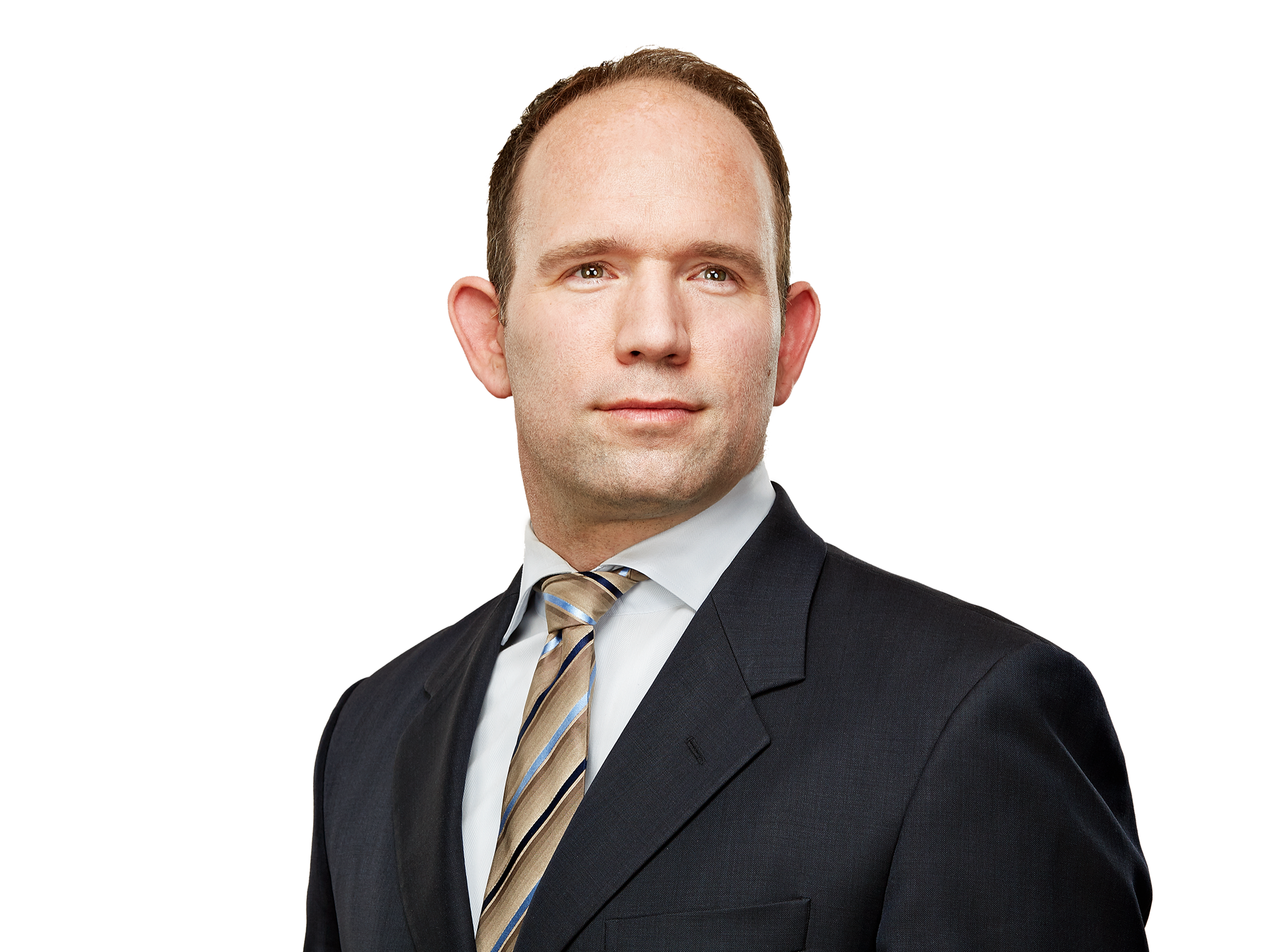

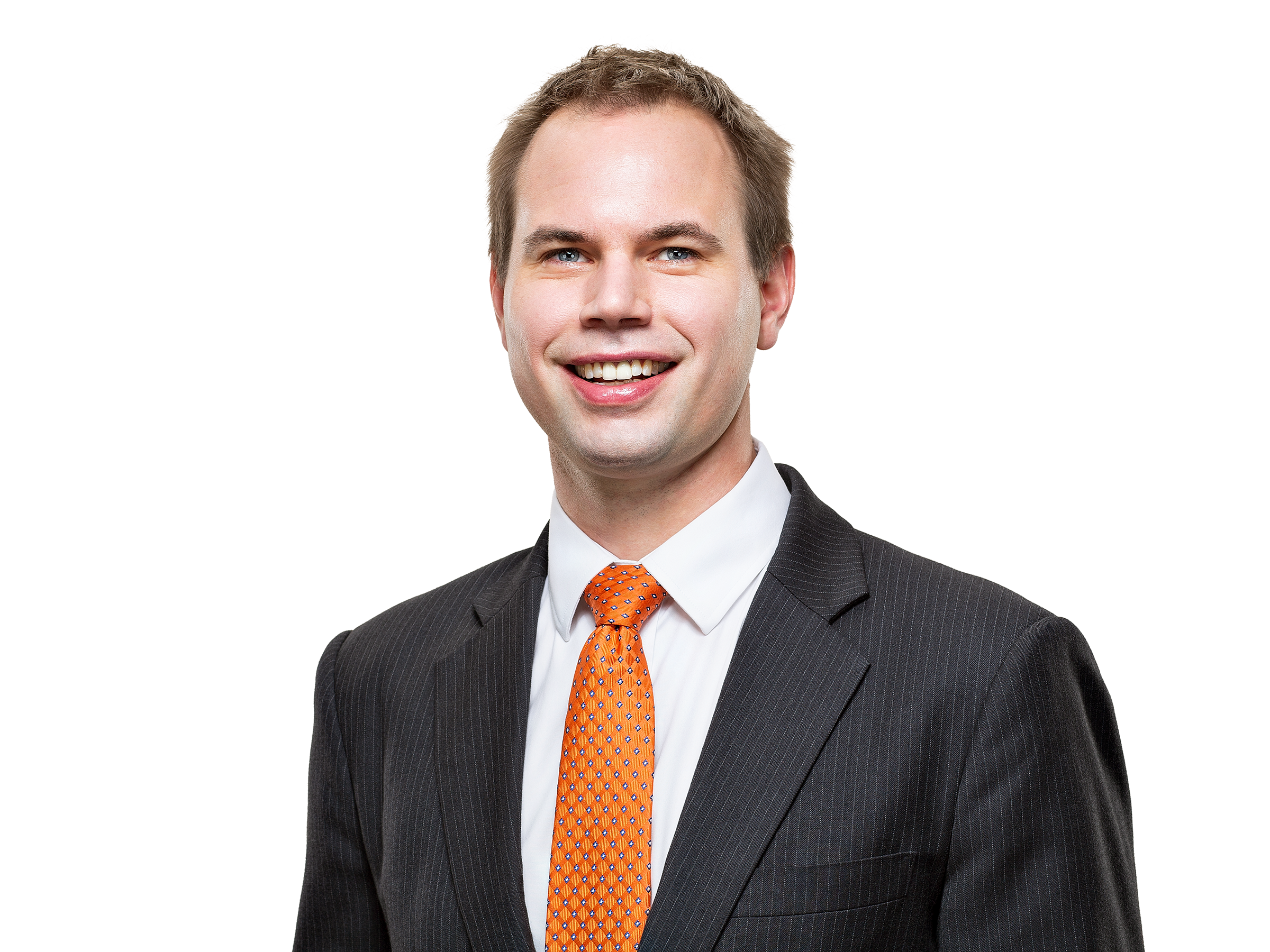

- Cory C. Bell
- Partner
- Boston, MA
- +1 617 646 1641
Experience
Obtained complete victory against Carrum on appeal of the District of Delaware’s claim construction to the Federal Circuit following Carrum’s stipulation of non-infringement under the claim construction, thereby exonerating BMW’s ACC system, first sold in 2000, against Carrum’s 2004 patents. Invalidated several asserted claims through post-grant efforts before the U.S. Patent Office, including IPRs and EPRs, and pursued claims through proceedings before the Eastern District of Virginia to vindicate BMW’s patent challenges.
1:18-cv-01645, D. Del., Judge Andrews
21-1435, 24-1480, Fed. Cir., Judges Clevenger, Cunningham, Lourie, Moore, Prost, Taranto
IPR2019-00902, -00903, -00904, -00905, -00927, 00928, PTAB, Judges Browne, Scanlon, Tornquist
90/019,010, CRU
Represented DuPont in Federal Circuit appeal from Board decision in inter partes reexamination proceeding relating to transgenic soybean technology, leading to affirmance of the decision in DuPont’s favor.
17-1032, -1098, Fed. Cir.
2:06-cv-00334, E.D. Tex., Judges Folsom, Gilstrap
2:07-CV-02196, C.D. Cal., Judges Klausner, Mumm, Quinn
2:07-ml-01816, C.D. Cal., Judges Klausner, Mumm
CBM2015-00053, PTAB, Judges Busch, Cocks, Wormmeester
Ex Parte Reexamination No. 90/013,586, USPTO, Judge Ralis
2:15-cv-02329, W.D. Tenn., Judges McCalla, Pham
09-1450, -1451, -1452, -1468, -1469; 10-1017, Fed. Cir., Judges Bryson, Lourie, Newman
Member of team that represented Abbott Vascular in inter partes reexaminations related to biocompatible materials for medical devices.
Reexamination Nos. 95/000,552, 95/000,542, USPTO, Judge Jones
95/001,679, 95/001,746, 95/001,792, 95/001,851, 95/001,856, USPTO, Judges Foster, Hughes, Peikari, Pokrzywa
4:11-cv-05367, N.D. Cal., Judges Hamilton, Ryu
4:14-cv-04894, N.D. Cal., Judges Beeler, Hamilton, Seeborg
IPR2014-00833, PTAB, Judges Droesch, Lee, Zecher
16-1911, Fed. Cir., Judges Dyk, Hughes, O'Malley